TCA cycle is called amphibolic pathway as explained in Figure 8.8 because both catabolic and anabolic processes are involved in this pathway.
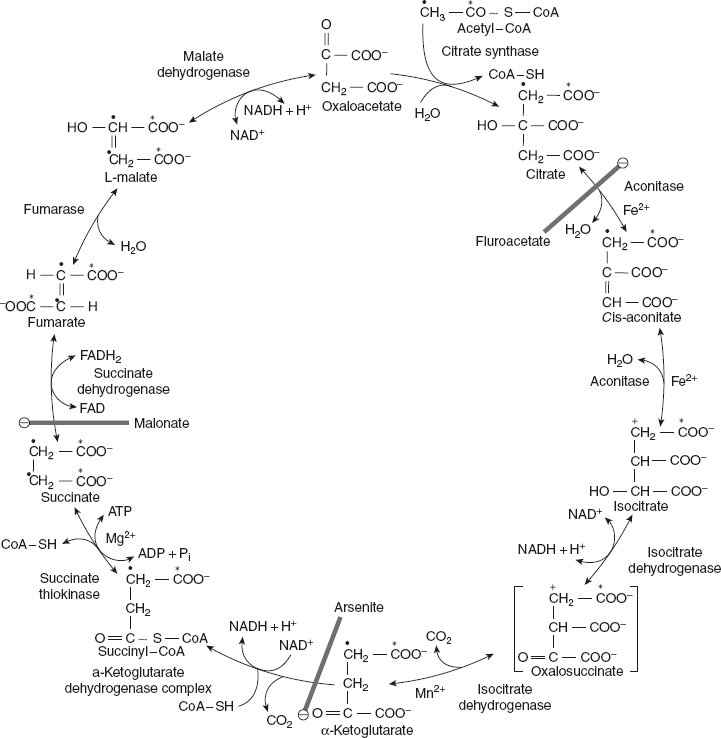
Figure 8.8 Tricarboxylic Acid Cycle or Citric Acid Cycle
Catabolic process: The cycle helps in the degradation of acetyl residues, which are derived from carbohydrates, fats, proteins, and so on.
Anabolic process: The intermediates of TCA cycle are used as precursors in the biosynthesis of many compounds.
Overall reaction of TCA cycle:
Pyruvate + GDP + Pi + 3NAD+ + FAD  3CO2 + GTP + 3NADH + FADH2 + 3H+
Acetyl-CoA + GDP + Pi + 2NAD+ + FAD 2CO2 + GTP + 2NADH + FADH2 + 2H+
Most of the enzymes required for TCA occur in the mitochondrial matrix, except succinate dehydrogenase, which is found in the inner mitochondrial membrane. In the first step, acetyl-CoA combines with oxaloacetate and forms citrate with the help of citrate synthase. Citrate undergoes isomerisation in an oxidative decarboxylation reaction with a help of isocitrate dehydrogenase, forming carbon dioxide. Isocitrate dehydrogenase is the key regulatory enzyme; it is activated by ADP and inhibited by NADH.
α-ketoglutarate is converted to succinyl-CoA in the second decarboxylation reaction. During this reaction CO2 is released and NADH+ and H+ are produced. The conversion of this step requires α ketoglutarate dehydrogenase, which is very similar to pyruvate dehydrogenase complex. The next step is the conversion of succinyl-CoA to succinate with the help of succinate thiokinase. Substrate level phosphorylation takes place in this step. Succinate is oxidised to fumarate and catalysed by succinate dehydrogenase; FAD is the coenzyme involved in this step. FAD yields 2 ATPs. Fumarate is hydrated to malate with the help of fumarase. Malate is converted to oxaloacetate with the help of malate dehydrogenase and NAD+ is the coenzyme involved in this reaction. Three ATPs are produced as electrons pass through the electron transport chain. Oxaloacetate is finally regenerated in this reaction.
Leave a Reply