Human plasma protein fraction is a solution of some of the proteins from liquid plasma. It contains albumin and certain globulins that retain their solubility on heating. It is prepared by fractionating pooled citrated plasma. Figure 10.1 shows the ether fractionation of plasma.
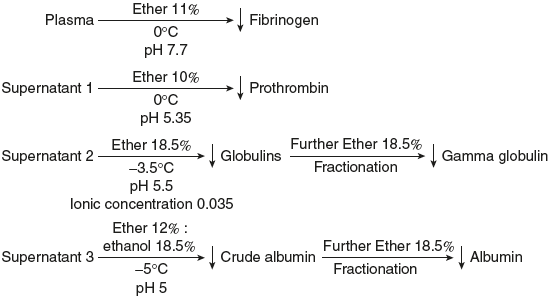
Figure 10.1 Ether Fractionation of Plasma
A stabilizer such as sodium caprylate or acetyl tryptophan is added to the human plasma protein fraction. This allows the preparation to be heated for several hours at a low temperature without significant denaturation of the proteins. Sodium chloride is added to make the preparation isotonic. The solution is sterilized by filtration aseptically, distributed into blood bottles and then heated at 60°C for 10 hours to destroy the viruses of infective hepatitis and homologous serum jaundice.
The fractionation process involves concentration of the albumin fraction. The concentration of sodium citrate is limited to 0.4%, which is not harmful. The protein content is not less than 4.3% w/v, and the product exerts a colloidal osmotic pressure approximately equivalent to that of pooled liquid plasma containing 5.25% w/v of protein.
Storage: It must be stored between 5°C and 20°C and protected from light. The preparation remains clear as the fibrinogen has been removed.
Leave a Reply