Fatty acid regulation is regulated largely in the concentration of fatty acid in blood, which is, in turn, controlled by the hydrolysis rate of triglycerides in adipose tissue by hormone-sensitive triglycerol lipase. This enzyme is so named because it is susceptible to regulation by phosphorylation and dephosphorylation in response to hormonally controlled cAMP levels. Glucagon, epinephrine, and norepinephrine increases adipose tissue cAMP concentration; cAMP allosterically activates APK, which, in turn, phosphorylates certain enzymes; phosphorylation activates hormone-sensitive lipase and, thereby, stimulation lipolysis in adipose tissue, raising blood fatty acid levels and ultimately activating the β-oxidation pathway in other tissues such as liver and muscle.
Insulin has the opposite effect of glucagon and epinephrine. It stimulates the formation of glycogen and triglyceride. Insulin increases cAMP levels, leading to the dephosphorylation and thus the inactivation of hormone-sensitive lipase. This reduces the fatty acid available for oxidation.
Another mechanism that inhibits fatty acid oxidation, when fatty acid syntheses, is stimulated in the inhibition of carnitine palmitoyltransferase 1 by malonyl-CoA. This inhibition keeps the newly synthesised fatty acid out of mitochondria and thus away from β-oxidation system as shown in Figure 10.3.
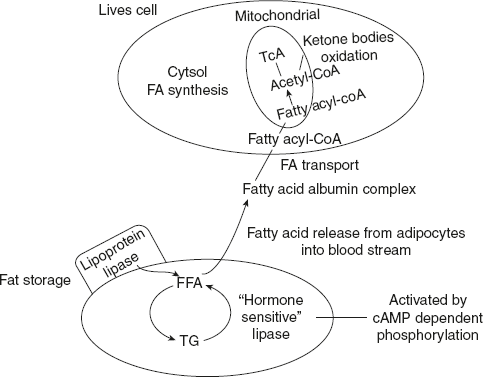
Figure 10.3 Regulation of Fatty Acid Oxidation
Leave a Reply