Salient features
This is a simpler, radically different, and novel mechanism and was postulated by Peter Mitchell, a British biochemist in 1961. He proposed that “electron transport and ATP synthesis are coupled to high-energy intermediate or an activated protein” as shown in Figure 8.23.
According to this model, the transfer of electrons through the respiratory chain results in the pumping of protons (H+) from the matrix side (M side) to the cytosol or cytoplasmic side (C-side) of inner mitochondrial membrane. The concentration of H+ becomes positive on the cytoplasmic side. The hypothesis further proposes that H+ ions ejected by electrons transport flow back into the matrix through a specific H+ channel or ‘pore’ in the F0F1 ATPase molecule, driven by the concentration gradient of H+. The free energy released as proton (H+) flows back through the ATPase and causes the coupled synthesis of ATP from ADP and phosphate by ATP synthetase.
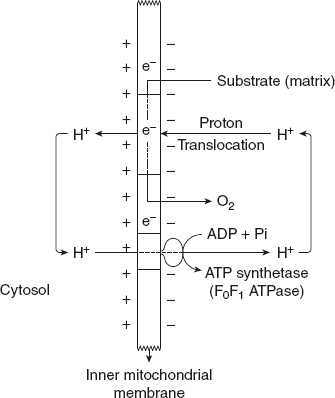
Figure 8.23 Chemiosmotic Coupling Hypothesis
Leave a Reply