The rate of an enzyme action increase with the rise in temperature of 10°C is called temperature quotient or Q10 (which means enzyme activity is increased two to three times for a rise in temperature of 10°C).
The optimum temperature for most of the enzymes varies from 30°C–40°C.
Example: Catalase optimum temperature is 30°C. The enhanced enzyme activity with the rise in temperature is due to the fact that the energy of molecules becomes greater, which, in turn, enhances the inherent reactivity of molecules and the frequency of their collisions.
Decrease in temperature 0°C or below inactivates the enzyme, but this is a reversible type of change, and enzyme regains its catalysing power upon increasing the temperature to optimum. Increase in temperature 60°C or above inactivates the denaturation, and it is irreversible in the change of their chemical structure. It is because of high rate of enzyme destruction at increasing temperature that an enzyme is stable as per listed in Table 6.2.
Table 6.2 Effect of Temperature on Maintaining the Enzyme Activity
| 0°C | – | Weeks |
| 10°C | – | Days |
| 30°C | – | Hours |
| 70°C | – | Seconds |
Figure 6.4 is a graph which represents the reactions between the temperature and the rate of enzyme activity.
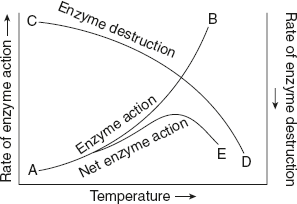
Figure 6.4 Graph Representing the Relations Between the Temperature and the Rate of Enzyme Activity
Leave a Reply