Flavonoids are a large group of naturally occurring plant polyphenolic compounds based on the C6-C3-C6 carbon skeleton. These non-nitrogen plant pigments are responsible for flower coloration and are involved in UV filtration, symbiotic nitrogen fixation, metabolic oxidation-reduction processes and play an important role in reproductive physiological processes in higher plants. These ubiquitous compounds of large variety and relatively low toxicity are extensively investigated for their possible physiological action and the beneficial effects of fruits, vegetables, tea, and red wine is attributed to their flavonoid composition. Recent research is demonstrating their role as dietary anti-oxidants—their polyphenolic nature enabling them to scavenge free radicals. In vitro studies have shown them to be biological response modifiers with anti-inflammatory, anti-allergic, anti-thrombotic, vaso protective, tumor inhibitory, and gastroprotective properties. Several traditional herbal remedies of use in cardiovascular disease and certain forms of cancer are increasingly being reported to be rich in flavonoids and derived tannins. Several flavonoid containing plants are used as anti-spasmodics, diuretics, anti-bacterial, and antifungal agents.
Some ten classes of flavonoids are known—all are structural variants based on flavone and occur in all vascular plants both in the free state and as glycosides. More commonly found as glycosides—both as O- and C-glycosides—they are found in plants as mixtures of different classes and even a single flavonoid aglycone may occur in a single plant in several glycosidic combinations. As of now some 2500 flavonoids are known with nearly 500 occurring in the free state.
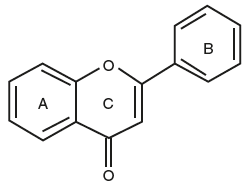
Basic skeleton of flavonoid compounds
Flavonoids have been extensively used as chemotaxonomic markers and they are found abundantly in Polygonaceae, Rutaceae, Leguminoseae, Umbelliferae, and Compositae. Dimeric compounds such as colourless biflavonyls are found in Gymnosperms.
Leave a Reply