Developing and propagating these officially recognized traditional medical systems by
- Encouraging scientific research and regulating education standards;
- Promoting cultivation and regeneration of medicinal plants;
- Laying down pharmacopoeial standards to ensure quality drugs by following good manufacturing practices (GMP) and evolving good laboratory practices;
- Supplementing state governments’ efforts in setting up speciality clinics of AYUSH in allopathic hospitals and AYUSH wing in district allopathic hospitals;
- Creating and spreading awareness by effective communication strategies to reach all sections of people.
While the Central Acts empower implementation of the set objectives, Ayurveda, Siddha, Unani and Homeopathy drugs are covered under the purview of Drugs and Cosmetics Act, 1940. AYUSH medicines being predominantly plant derived, the National Medicinal Plants Board was set up to promote cultivation of medicinal plants and to ensure sustained availability of quality raw material. A separate National Policy on ISM is in place since 2002.
The infrastructure under AYUSH sector consists of 1,355 hospitals with 53,296 bed capacity; 22,635 dispensaries; 450 undergraduate colleges; 99 colleges having post-graduate departments; 9,493 licensed manufacturing units; and 7.8 lakh registered practitioners of ISM and homeopathy in the country. An outlay of Rs. 4,000 crores has been allocated for the department during the 11th five year plan with Rs. 440 crores for medicinal plants alone. The administrative units under AYUSH umbrella is given in Figure 5.2. The department has three subordinate offices, one public sector undertaking, two statutory organizations, four research councils, 11 educational institutions and a national medicinal plant board (with 35 state/UT level boards) under its administrative fold.
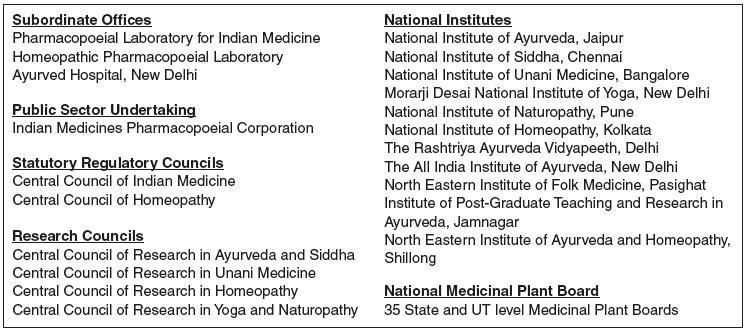
Figure 5.2. Administrative units under AYUSH
Leave a Reply