Glucose is metabolised to pyruvate and lactate in all mammalian cells by the pathway of glycolysis. Phosphorylation is necessary for glucose to enter this pathway. Glycolysis can occur in the absence of oxygen (anaerobic) when the end product is lactate only. Tissues that can utilise oxygen (aerobic) are able to metabolise pyruvate to acetyl-CoA, which can enter the citric acid cycle for complete oxidation to CO2 and H2 O, with the liberation of much free energy as ATP in the process of oxidative phosphorylation. Thus, glucose is a major fuel of many tissues (Figure 8.3). But it also takes part in other processes as follows:
- Conversion to its storage polymer, glycogen, particularly in skeletal muscle and liver.
- The pentose phosphate pathway, which arises from intermediates of glycolysis. It is a source of reducing equivalents (2H) for biosynthesis. Example includes fatty acids, and it is also the source of ribose, which is important for nucleotide and nucleic acid formation.
- Triose phosphate gives rise to the glycerol moiety of acylglycerol (fat).
- Pyruvate and intermediates of the citric acid cycle provide the carbon skeletons for the synthesis of amino acid and acetyl-CoA is building block for the long chain fatty acids and cholesterol, the precursor of all steroids synthesised in the body.
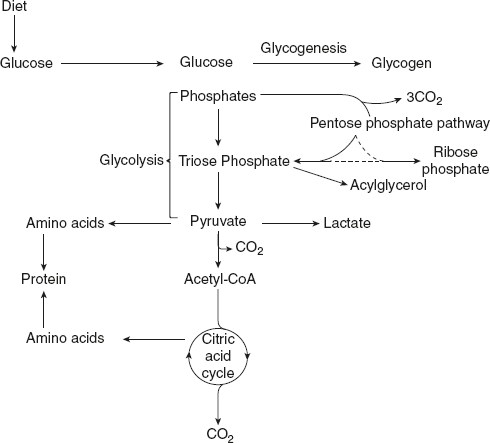
Figure 8.3 Overview of Carbohydrate Metabolism
Leave a Reply