INTRODUCTION
The amino acid obtained from dietary source or body protein turnover is utilised for protein biosynthesis and the production of a wide range nitrogen-containing compounds (creatine, amines, phorphyrin, and so on).
The amino parts of amino acid are utilised for the biosynthesis of urea; the remaining carbon skeletons are converted to various intermediates of TCA cycle. An overview of amino acid metabolism is shown in Figure 9.1.
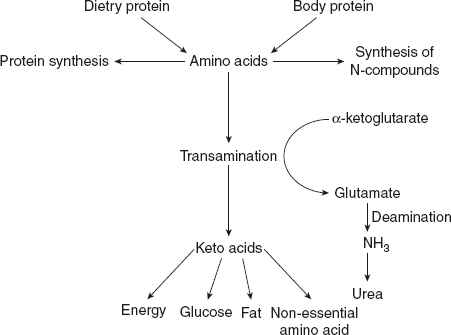
Figure 9.1 An Overview of Amino Acid Metabolism
The structure given below (Figure 9.2) shows the products formed from carbon skeleton of amino acids.
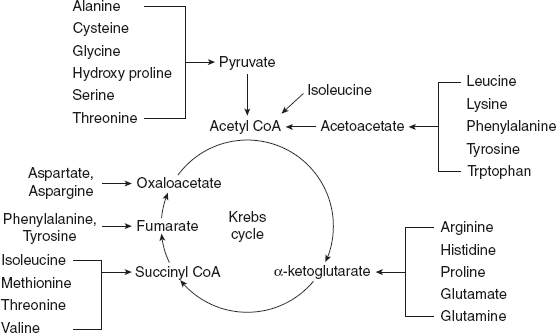
Figure 9.2 Summary of the Products Formed from Carbon skeleton of Amino Acids
Amino acids undergo common reactions like transamination followed by deamination for the liberation of ammonia. The amino group of the amino acids is utilised for the formation of urea, which is an excretory end product of protein metabolism. The carbon skeleton of the amino acid is first converted into keto acids (by transamination), which meet one or more of the following fates:
- Utilised to generate energy
- Used for the synthesis of energy
- Diverted for the formation of fat or ketone bodies
- Involved in the production of non-essential amino acid
Leave a Reply