The hydrolytic enzymes that degrade the dietary lipids in the intestine are secreted by the pancreatic juice in the pancreas. The secretion of this enzyme is under the control of hormones. A small peptide hormone cholecystokinin, also known as pancreozymin, is produced by the cells in the mucosa of jejunum and lower duodenum. This hormone is produced in response to the presence of lipids and partially digested proteins present in the upper small intestine. The role of this hormone is to act on the exocrine cells of the pancreas, which makes them to release digestive enzyme. It also decreases gastric motility, thereby resulting in a slower release of gastric content into the small intestine as shown in Figure 10.2.
Another small peptide hormone, secretin, is produced by the intestinal cells in response to the low pH of the chime entering the intestine. Secretin makes the pancreas to release a watery solution, rich in bicarbonate, which helps to neutralise the pH of the intestine, thus enabling the pH to aid in the enzymic digestive activity.
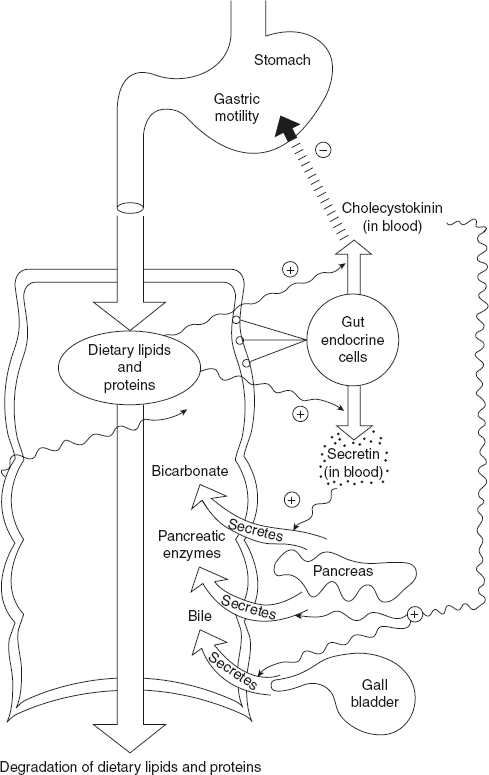
Figure 10.2 Hormonal Control of Lipid Metabolism in Small Intestine
Leave a Reply