The source for the fatty acid synthesis is acetyl-CoA. Fatty acid is produced either by de novo synthesis from acetyl-CoA derived from carbohydrate or from dietary lipid. In the tissues, fatty acids are oxidised to acetyl-CoA (β-oxidation) or esterified to acylglycerol, whereas in triacylglycerol (fat), they constitute the body’s main caloric reserve.
Acetyl-CoA formed by β-oxidation has several important facts:
- As in the case of acetyl-CoA derived from carbohydrate, it is oxidised completely to CO2 and H2O via the citric acid cycle. Fatty acids yield considerable energy both in β-oxidation and in the citric acid cycle and are, therefore, very effective of tissue fuels.
- It is a source of the carbon atoms in cholesterol and other steroids.
- In the liver, it forms acetoacetate, the parent ketone body. Ketone bodies are alternative water-soluble tissue fuels, which become important sources of energy under certain conditions (Example: starvation) (Refer Figure 8.4).
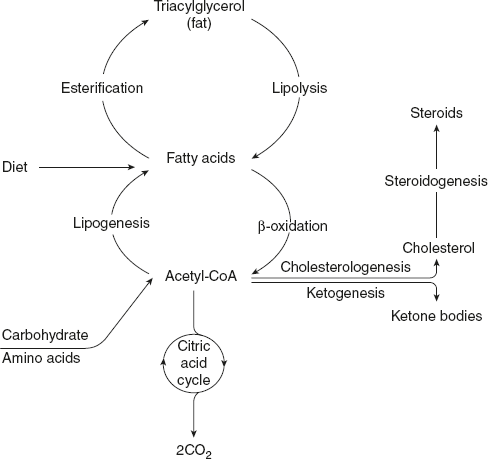
Figure 8.4 Overview of Fatty Acid Metabolism
Leave a Reply