The plant is an herbaceous annual, growing erect to a height of 1 m. The stem is acutely quadrangular, much branched with simple, opposite, lanceolate, glabrous leaves, about 2–12 cm long and 1–3 cm wide with an acute apex, entire slightly undulate margin with a bractiform short petiole. Inflorescence is terminal and axillary in peduncle, 10–30 mm long, with a short pedicel and a small bract. Fruit is an erect linear oblong capsule with small seeds.
The drug made up of dried aerial parts consists of broken, crisp dark green leaves, stems, capsules and occasionally even small flowers. Its odor is slight, characteristic with an intensely biter taste.
Chemical constituents
Principal constituents are diterpene lactones, which occur both free and as glycosides—these are andrographolide, deoxyandrographolide, 11,12-didehydro-14-deoxy-andrographolide, neo andrographolide, andrographiside, deoxy andrographiside, and andropaniside.
Traditional uses
As per Ayurveda, it pacifies pitta and kapha. It is a bitter tonic, febrifuge, and hepatoprotective given as a digestive, for liver and gall bladder protection in jaundice. It is indicated for anemia, bacillary dysentery, bronchitis, coughs, fevers, malaria, mouth ulcers, sores, tuberculosis, and in venomous snake bites. The drug is administered for acne, diarrhea, and general debility. It is said to reduce swelling, skin allergies, and urinary tract infection. Other folkloric usage is for the treatment of colic, pelvic inflammatory disease, bacillary dysentery, bronchitis, chicken pox, eczema and burns.
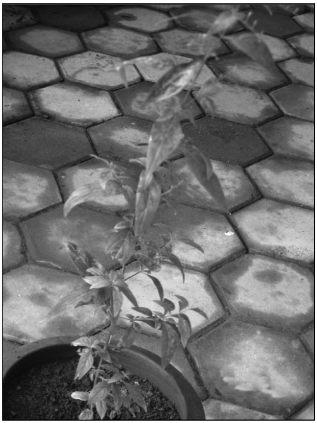
Figure 9.7 Andrographis paniculata
Leave a Reply