The rate of respiration (O2 consumption) is tightly regulated in the mitochondria. It is generally regulated by the availability of ADP as a basic substrate for phosphorylation. Depending on the rate of consumption of O2 and also on the availability of Pi acceptor, this kind of control is called acceptor control of respiration. Availability of ADP is the one of the measures of the energy status of cells, [ATP]/[ADP][Pi]. Usually this ratio is very high, so the ATP-ADP system is fully saturated.
In some reactions, the energy-requiring rate is more; for example, protein synthesis, and the rate of breakdown of ATP to ADP and Pi increases, lowering the mass action ratio. With more ADP available for oxidative phosphorylation, the rate of respiration increases, causing the regeneration of ATP. This process continues until the ratio slows again. The rate of oxidation of cellular fuel is regulated with the availability of [ATP]/[ADP][Pi] ratio. In most of the tissues, even during extreme variations of energy demand this ratio gets fluctuated only slightly. In short, ATP is formed as fast as it is used in energy-requiring cellular activities.
Respiratory control among glycolysis, TCA, and oxidative phosphorylation.
The three energy-yielding stages in carbohydrate metabolism are glycolysis, TCA, and oxidative phosphorylation. Each stage is so regulated as to satisfy the time-to-time need of the cell for its products.
These three stages are coordinated with each other in such a way that they function most economically in a self-regulated way. They produce ATP and certain specific intermediates such as pyruvate and citrate that act as precursors for the biosynthesis of other cell components.
The coordination of three stages is brought about by the interlocking regulatory mechanism.
It is important from the figure that the relative concentrations of ATP and ADP control not only the rate of electron transport and oxidative phosphorylation but also the rates of glycolysis, pyruvate oxidation, and citric acid cycle.
When ATP concentration is high and ATP and AMP are correspondingly low (i.e. [ATP]/[ADP][Pi] ratio is high), the rate of glycolysis, pyruvate oxidation, the citric acid cycle, and oxidative phosphorylation are at a minimum.
But when there is a large increase in the rate of ATP utilisation by the cell, with the corresponding increased formation of ATP, AMP, and Pi, the rate of electron transport and oxidative phosphorylation will immediately increase. Simultaneously, the rate of pyruvate oxidation via the citric acid cycle will increase, thus increasing the flow of electrons into the respiratory chain. These events, in turn, will enhance the rate of glycolysis, thus resulting in an increased rate of pyruvate formation. Thus, the regulatory controls are both inhibitory and stimulatory.
Whenever ATP produced by oxidative phosphorylation and citrate increase to higher levels, they produce concerted allosteric inhibition of phosphofructokinase (PFK), the two together being more inhibitory than the sum of their individual effects.
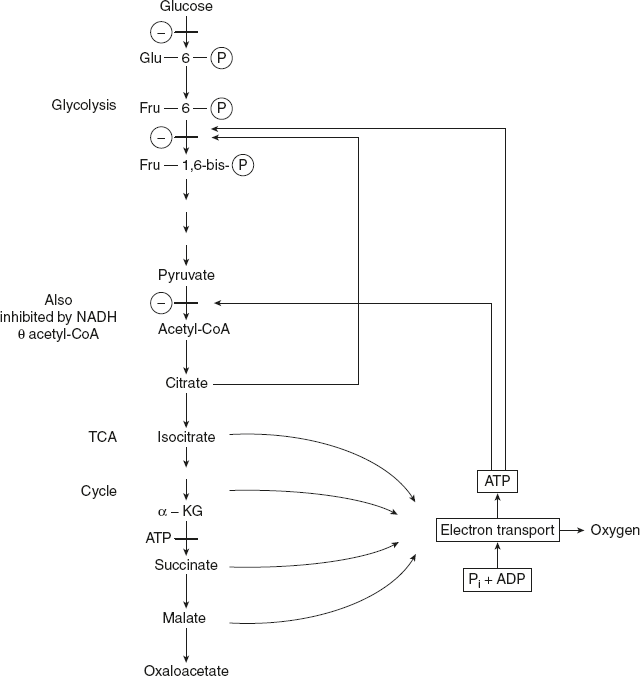
Figure 8.25 Regulation of Oxidation Phosphorylation
In addition, increased levels of NADH and acetyl-CoA also inhibit the oxidation of pyruvate to acetyl-CoA.
In nutshell, interlocking and regulatory mechanism control glycolysis so that pyruvate is produced at a rate at which it is required by the citric acid cycle. A process that donates electrons for oxidative phosphorylation is shown in Figure 8.25.
Leave a Reply