It is a special type of irreversible inhibition of enzyme activity. It is also known as mechanism based on inactivation. The substrate link analogue (inhibitors) initially binds with the enzyme, and the first few steps of the pathway are catalysed. This new product irreversibly binds to the enzyme and inhibits the further reaction.
Example: Difluoro methyl ornithine (DFMO) is a suicide inhibitor for treating African sleeping sickness Trypanosomiasis and Indian kala azar disease, which is induced by parasite trypanosoma. Ornithine decarboxylase (ODC) catalyses the conversion of ornithine to putrescine, which is necessary for polyamine synthesis as shown in Figure 6.25.
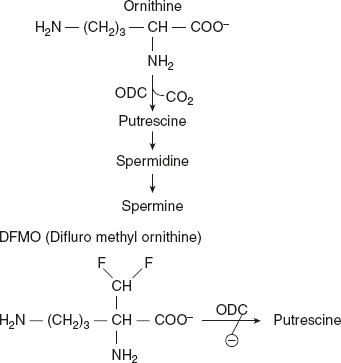
Figure 6.25 Synthesis of Polyamines
The vulnerable point in the metabolism of trypanosome (parasite) or the pathway of polyamine synthesis, which is required for the DNA packaging, is required in large amount in rapidly dividing cells. In parasites, the half life of ODC is many hours. This half life of ODC in man is only five minutes.
In man, as enzyme molecules are constantly synthesised, the drug will not affect human. But DFMO inhibits polyamine synthesis. So parasites cannot divide, and the immune system of host can kill them. Yet another example of suicide inhibition is the effect of purine and pyrimidine analogues in cancer chemotherapy as depicted in Figure 6.26. They get converted to nucleotide derivatives.
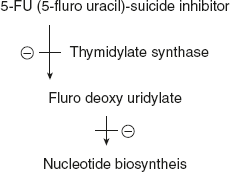
Figure 6.26 Sucide Inhibition (5FU–5 Fluro Uracil) in Cancer Chemotherapy
Leave a Reply